
A gadget is a small tool such as machine that has a particular function, but is often thought of as a novelty. Gadgets are sometimes referred to as gizmos.
A widely circulated story holds that the word gadget was “invented” when Gaget, Gauthier & Cie, the company behind the repoussé construction of the Statue of Liberty (1886), made a small-scale version of the monument and named it after their firm; however this contradicts the evidence that the word was already used before in nautical circles, and the fact that it did not become popular, at least in the USA, until after World War I. Other sources cite a derivation from the French gâchette which has been applied to various pieces of a firing mechanism, or the French gagée, a small tool or accessory.
GADGETS WHICH CHANGED THE WORLD
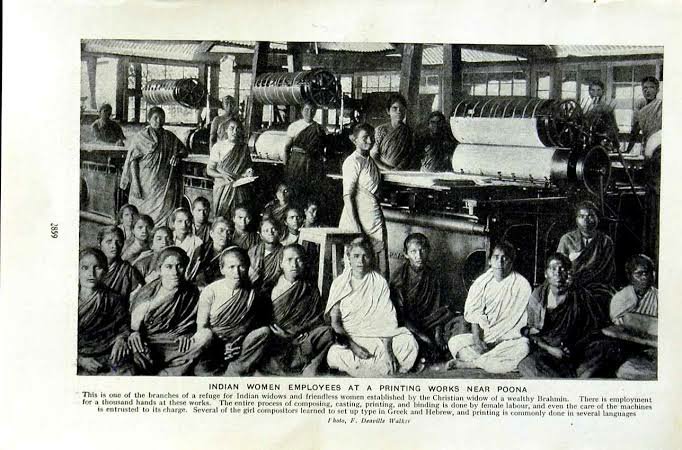
7. The Printing Press
The original game-changing gadget was too big to fit in your pocket, but it revolutionized literacy all the same. Around 1450, German goldsmith Johannes Gutenburg transformed printing with his press, a table-sized machine modeled after the wine presses of the day. The invention used thousands of movable metal letters to quickly and cheaply copy text. Gutenburg’s press took the spread of ideas out of the hands of elites and paved the way for the Protestant Reformation and the Enlightenment.
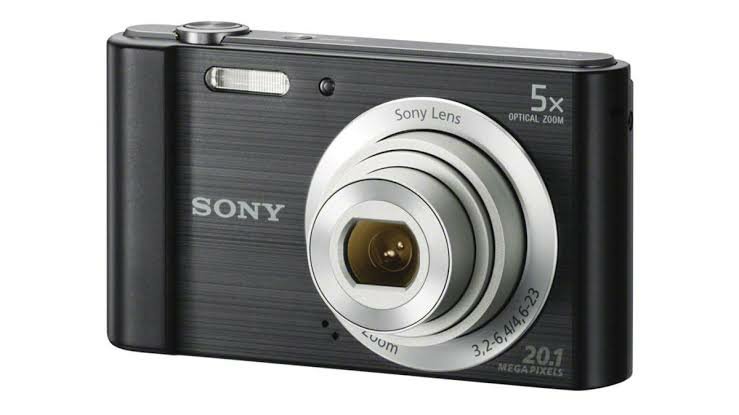
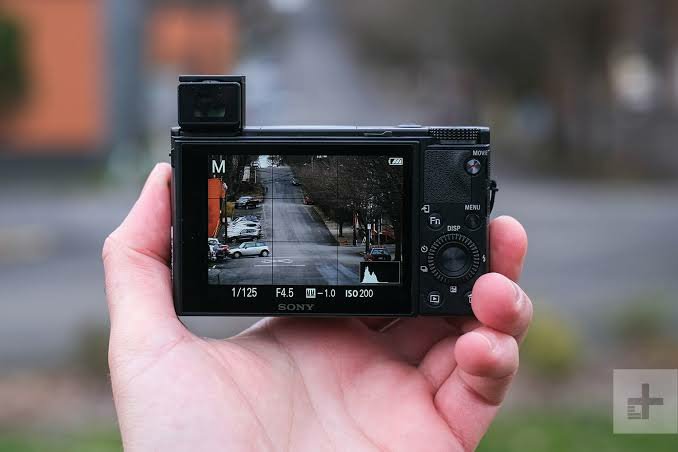
6. The point-and-shoot camera
George Eastman brought photography to the masses in 1888 with the Kodak camera. For the first time, the average person could freeze reality in images, which became worth, well, a thousand words. With the advent of digital cameras 100 years later, photography became even more ubiquitous. Now almost every cell phone comes equipped with a camera, and low-cost digital recorders like the Flip camera are democratizing video as well.
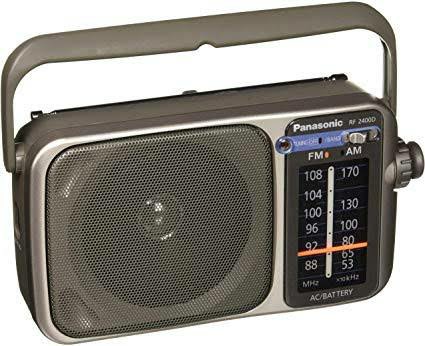
5. Radio
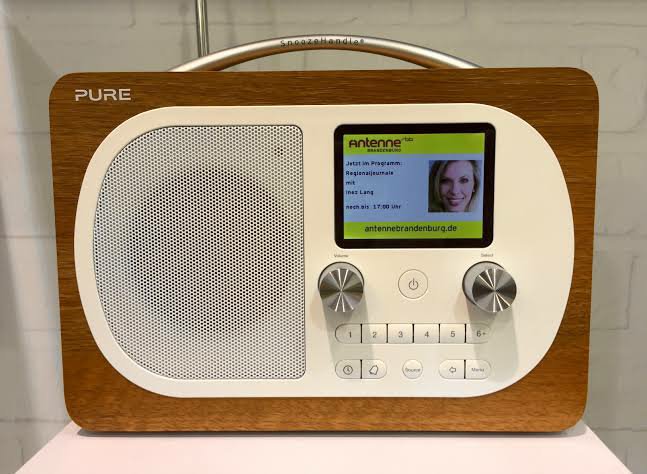
When Guglielmo Marconi patented his radiotelegraph system in 1901, he envisioned it as a way for ships to wirelessly communicate with one another. But by the 1920s, regular broadcasts of music and news exploded, ushering in a new era of mass media. From baby monitors to military radar, radio is now firmly entrenched in everyday life. The ability to harness radio waves eventually made possible all forms of wireless networking, from cell phones to Wi-Fi.
4. Television
Barely 20 years after radio shook the entertainment landscape, broadcast television sent out another temblor in the 1930s and 1940s. Television changed everything from the way people got their news to how advertising was done.
Despite being blamed for everything from our sedentary lifestyles to societal violence, TV isn’t going anywhere, and in fact an incredible number of waking ours are spent in front of the boob tube. Last year, a Nielson report estimated that Americans watch more than 5 hours a day, on average. The Consumer Electronics Association (CEA) recently estimated that, recession be danged, ownership of high-definition TVs in U.S. households has doubled in the past two years.

3.The PC
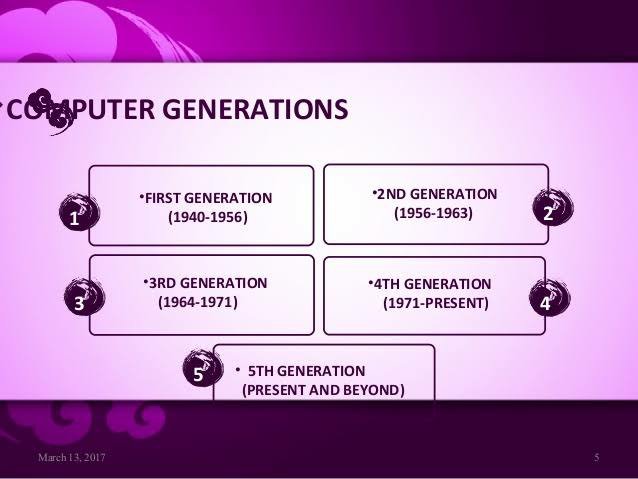
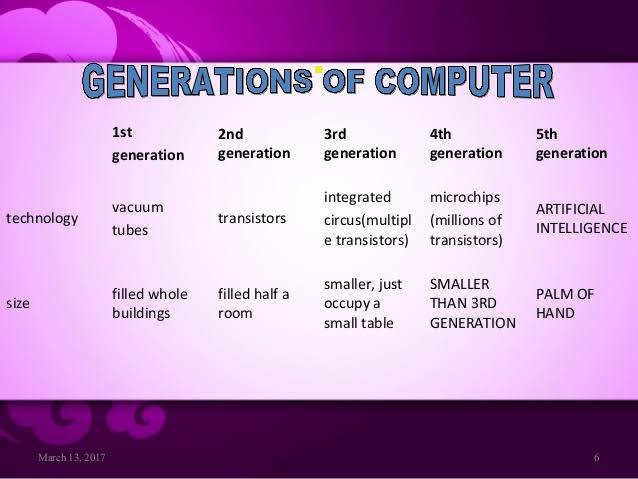
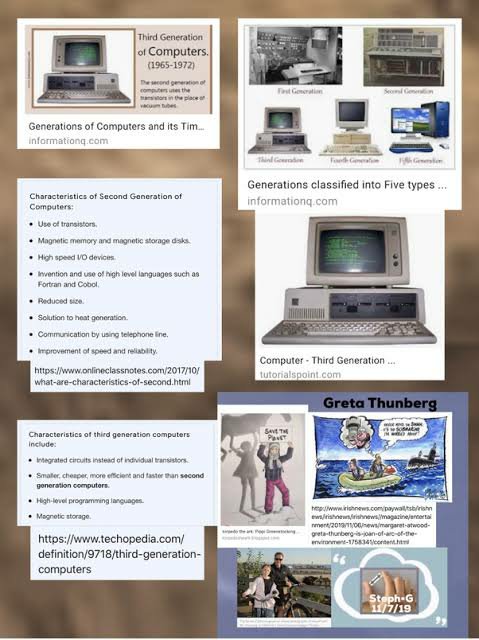
Once upon a time, computers were room-sized behemoths well outside the price range of the average Joe. Home computers were available in the 1970s, but the market only really took off in 1981 with IBM’s PC, which cost less than $1,600.
Since then, PCs have of course become smaller and more powerful, and they have paved the way for laptops, netbooks, smartbooks, smartphones and other mobile computing. Oh, and they made the Internet possible. By 2007, 75 percent of U.S. households had a broadband connection, and more than 230 million PCs were in use nationwide.
2.Smartphones
Continuing the trend toward smaller and mobile, smartphones enable users to surf the Web, send email and run applications, or “apps,” from their phones. As with the PC, IBM took the lead on the world’s first smartphone, introducing the “Simon” in 1993. Weighing in at more than a pound, the Simon offered a touch-screen keyboard, email and fax capabilities, and functions like a calendar and address book. It cost $900.
Smart phones got smaller and cheaper throughout the ’90s, and the first decade of the 21st century saw Treos, Blackberries and iPhones becoming household names. Whether it’s text messaging, social networking or Googling the answers at Trivia Night, constant connectedness is a given in the era of the smartphone. The Pew Internet & American Life Project estimates that on any typical day, nearly one-fifth of Americans use the Internet on a mobile device such as a smartphone or laptop.
All that convenience may make traditional cellular phones a thing of the past: According to Pyramid Research, by 2014, 60 percent of new handsets sold in the U.S. will be smartphones.

1.E-readers
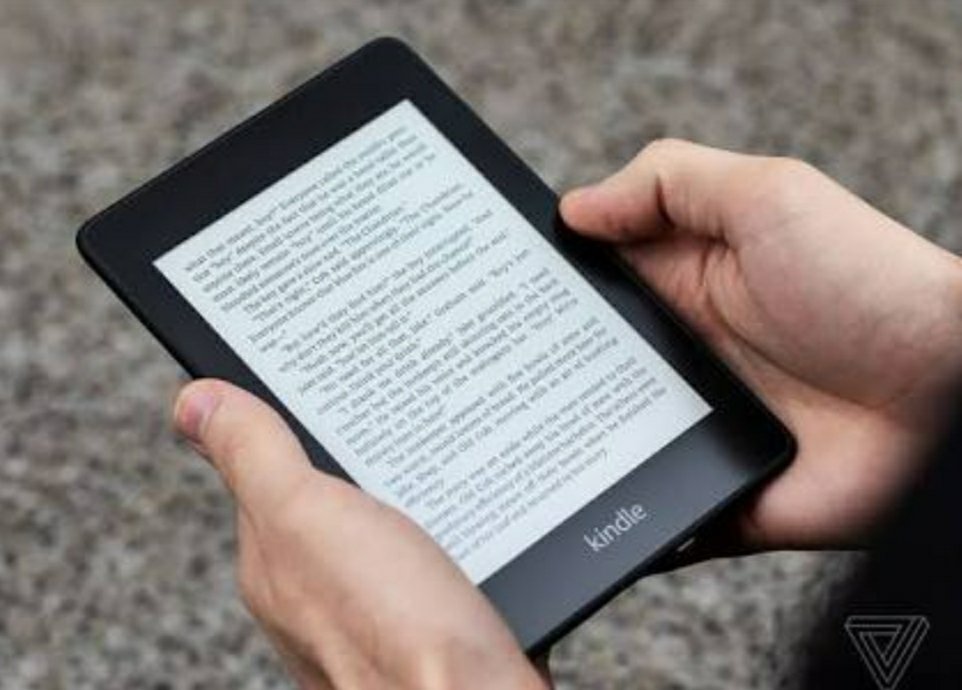
As a relative newcomer, e-readers have huge potential to change the way we consume media, Dan Schechter, vice president for media and entertainment at L.E.K. consulting, told TechNewsDaily.
A recent L.E.K. study found that almost half of people who bought e-readers reported reading more newspapers, books and magazines than they otherwise would have. E-readers also offer the chance to make reading more interactive. Imagine a fashion magazine with embedded links to the designers’ Web sites, or a scheme that would offer discounted e-books for readers who didn’t mind seeing advertisements in the margins.
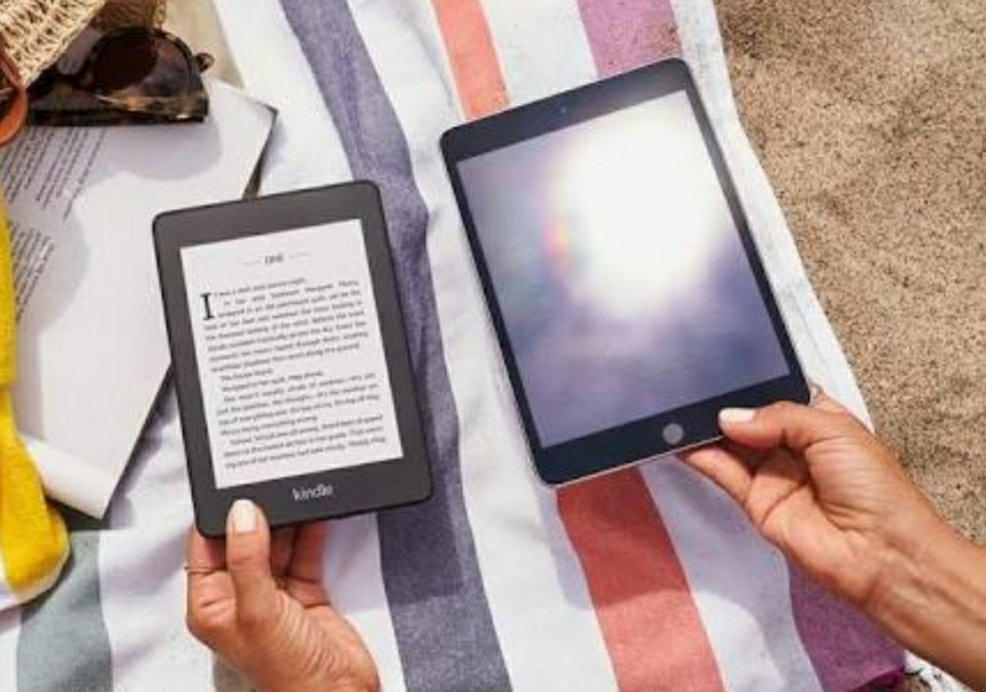
And while it remains to be seen whether Apple’s new iPad will usher in a new era of tablet computing, the device has already had an effect on the e-book market, as seen in last week’s e-book price dispute between Amazon and publisher Macmillan. Allowing publishers freedom to set prices could mean that the iPad (and other e-reading gadgets) won’t hurt the publishing industry the way the iPod damaged the music industry.
While only about 10 percent of people currently use e-readers, the gadgets are “taking off,” L.E.K.’s Schechter said. The tech analyst firm Forrester Research expects 10 million of the devices will be sold by the end of 2010.
“These are still first generation products and you’re already seeing vast increases in reading,” Schechter said. “It’s pretty exciting stuff, and they’re selling like hotcakes.”
Thank you!
 Words and wonders!